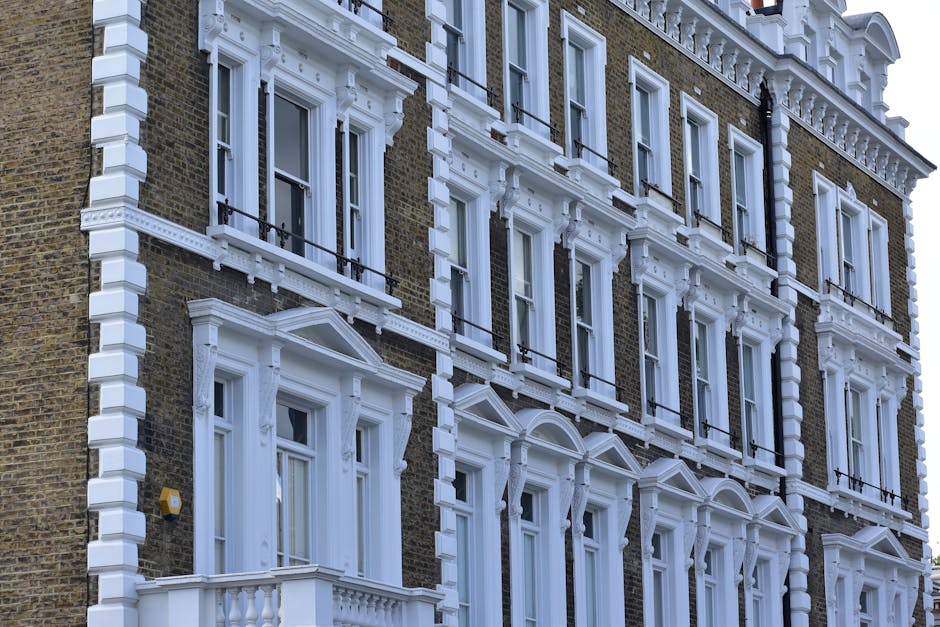
Deep cleaning Chiswick High Road properties W4: A practical guide for homes, flats and workplaces
If you live, work, or manage a property on Chiswick High Road, you already know how quickly everyday grime builds up. Busy footfall, road dust, kitchen grease, bathroom limescale, and the general "we'll deal with it later" habit all add up. Deep cleaning Chiswick High Road properties W4 is the sort of reset that goes beyond a regular tidy-up and gets into the places people usually miss. It is especially useful when a property has been neglected for a while, is preparing for new occupants, or simply needs a proper refresh that feels thorough rather than surface-level.
This guide breaks down what deep cleaning actually involves, how the process works in real life, who benefits most, and what to expect before, during, and after the job. You will also find a checklist, a comparison table, and a few practical tips from the sort of situations that come up all the time on busy London high streets. Let's face it, nobody wants to spend a Saturday scrubbing behind radiators if there's a better way.
- Why it matters
- How it works
- Key benefits and practical advantages
- Who this is for
- Step-by-step guidance
- Expert tips for better results
- Common mistakes to avoid
- Tools, resources and recommendations
- Law, compliance, standards or best practice
- Options, methods, or comparison table
- Case study or real-world example
- Practical checklist
- Conclusion
- Frequently asked questions
Why Deep cleaning Chiswick High Road properties W4 Matters
Properties on and around Chiswick High Road get a mix of challenges that are easy to underestimate. There is the dust from traffic, the marks from constant use, and the steady accumulation in corners, door frames, extractor fans, skirting boards, and under furniture. A normal weekly clean keeps things presentable. A deep clean goes after the stubborn build-up that quietly makes a space feel tired.
That matters for a few reasons. First, it affects how people experience the property. A clean hallway, fresh kitchen, and properly cleaned bathroom can change the whole impression of a home or workplace. Second, it can help maintain surfaces for longer. Grease left on cabinet doors, damp residue around seals, and embedded dirt in carpets do not look dramatic at first, but they can cause ongoing wear. Third, it helps when you need a proper reset after a busy season, a move, building work, or a long stretch of occupancy.
For landlords, letting agents, homeowners, and business owners, the difference is often obvious within minutes. The place smells fresher, feels lighter, and looks like someone has actually cared for it. Small detail? Not really. It is often the detail that people remember.
Key takeaway: deep cleaning is not just about appearance; it is about restoring the property to a healthier, more manageable condition and preventing everyday grime from becoming a bigger problem.
How Deep cleaning Chiswick High Road properties W4 Works
A proper deep clean is usually planned in sections rather than done randomly. That is the sensible way, anyway. Start with the areas that collect dust and loose debris, then move through kitchens, bathrooms, living spaces, bedrooms, and finally the small details that make the finish feel complete. The aim is to clean methodically, not just energetically.
In practice, the process may include:
- dusting high and low surfaces, including tops of cupboards and picture rails
- cleaning skirting boards, doors, handles, switches, and sockets
- degreasing kitchen surfaces and appliance exteriors
- scrubbing sinks, taps, tiles, grouting, and shower screens
- vacuuming and edge-cleaning carpets and rugs
- mopping hard floors with the right product for the surface
- cleaning inside accessible storage, where requested
- targeting limescale, soap scum, and built-up residue
On a busy high road property, the cleaner also needs to think about access, parking, timing, and how much disruption the job creates. A flat above shops is different from a family home or a small office. One job might need careful stair access and quiet work around neighbours; another may need flexible scheduling outside trading hours. That is where an experienced cleaning company can make the whole thing feel far less stressful.
To be fair, deep cleaning is as much about judgement as it is about elbow grease. You need to know where to focus, what product suits which surface, and when to slow down because a material is delicate. That is not glamorous, but it matters.
Key Benefits and Practical Advantages
The benefits of a deep clean are not abstract. You can usually see and feel them straight away. A kitchen stops looking greasy under the light. A bathroom loses that faint stale smell that no candle quite fixes. Carpets feel less dull. A room that seemed "fine" suddenly looks much better. Funny how that happens, really.
Here are the most practical advantages:
- Better presentation: helpful before viewings, inspections, arrivals, or client meetings.
- More hygienic conditions: useful in kitchens, bathrooms, and high-touch zones.
- Longer-lasting surfaces: removing residue and grime helps reduce wear.
- Less stress: a thorough clean takes pressure off people who are already busy.
- More efficient upkeep: once the deep clean is done, regular maintenance becomes easier.
In commercial spaces, there is also the simple confidence factor. Staff notice when their workspace is properly looked after. Customers notice too, even if they do not say it out loud. A clean, tidy environment tends to feel more professional, and frankly more pleasant to be in.
If carpets, sofas, or rugs are part of the problem, it can help to pair the main clean with specialist fabric care such as carpet cleaning, sofa cleaning, or rug cleaning. Upholstery often holds onto dust and odour longer than people expect.
Who This Is For and When It Makes Sense
Deep cleaning is not only for properties that are visibly messy. In many cases, it is for places that look okay at first glance but need a reset in the harder-to-see areas. That is the subtle thing. If you have lived with a room for a long time, your eyes kind of stop noticing what has gradually built up.
This service is especially useful for:
- Homeowners who want a seasonal reset or are preparing for guests
- Tenants and landlords dealing with move-outs, handovers, or post-tenancy cleaning needs
- Busy families who have fallen behind on the jobs that never fit into the week
- Office managers who need a healthier workspace and a more polished impression
- Shopfront or mixed-use property owners on Chiswick High Road dealing with constant dust and foot traffic
It also makes sense after certain kinds of work. If you have had plaster dust, paint residue, or building debris around the property, a more detailed approach may be needed. In those cases, after builders cleaning can be the better fit, because the mess tends to be finer, more widespread, and a bit stubborn in corners and fixtures.
And if the issue is less about deep grime and more about a one-off refresh, then one-off cleaning may suit a lot of households and smaller premises. Sometimes the right answer is simply the clean that matches the reality of your space.
Step-by-Step Guidance
If you are planning deep cleaning Chiswick High Road properties W4, it helps to approach the job in stages. That way, nothing gets missed, and the work feels much less chaotic. Here is the practical sequence we recommend.
- Walk through the property carefully. Note problem areas, stains, odours, and any fragile surfaces.
- Clear surfaces where possible. The cleaner can do better work when they are not moving clutter around constantly.
- Start high and work down. Dust falls. That is just life.
- Tackle kitchens and bathrooms early. These rooms usually need the most attention and the right dwell time for products.
- Move through soft and hard surfaces methodically. Vacuum, wipe, scrub, mop, then inspect again.
- Finish with detail work. Switches, handles, edges, mirrors, frames, and accessible trim make a surprising difference.
- Do a final check in natural light if possible. Morning light or late afternoon light can reveal missed marks very quickly.
A good example: in a ground-floor flat on the High Road, the visible spaces may look tidy after a quick clean, but the skirting behind the sofa, the limescale under the taps, and the grime around cupboard handles tell a different story. The deep clean resolves that mismatch. The room finally looks as clean as it has been made to seem for weeks.
If you are arranging a domestic reset rather than a full move-out clean, it may also help to compare with domestic cleaning or house cleaning. Those are often more maintenance-focused, while deep cleaning reaches into the awkward places that routine visits may not cover.
Expert Tips for Better Results
The best deep cleans are usually the ones where the planning is quietly solid. Nothing dramatic. Just careful choices. Here are a few practical tips that make a real difference.
- Use the right product for the surface. Not every spray suits every material, and too much product can leave residue.
- Let cleaners dwell where needed. Grease, limescale, and soap scum often need a minute before wiping.
- Prioritise touchpoints. Handles, switches, taps, remote controls, and railings pick up grime fast.
- Do not forget ventilation. Opening windows for a little airflow can help the room feel fresher after cleaning.
- Schedule around the property's use. Offices, shops, and rented flats all work better when the clean does not interrupt the day more than necessary.
One small but useful habit: check the space again once everything dries. Some marks only show up after the shine is gone, and that is when you see whether the job was truly complete. Slightly annoying? Yes. Useful? Absolutely.
If fabrics need a separate approach, specialist services like upholstery cleaning or carpets cleaner can help with the deeper fibres and textured surfaces. The wording varies, but the principle stays the same: match the method to the material.
Common Mistakes to Avoid
Deep cleaning can go wrong in a few predictable ways. Most of them are avoidable, which is the good news. The bad news is people keep making them anyway.
- Cleaning in the wrong order. If you mop first and dust later, you create extra work.
- Using too much product. More does not always mean better, especially on glass, flooring, and painted surfaces.
- Ignoring hidden edges. Behind appliances, under radiators, and along skirting often hold the worst build-up.
- Forgetting to spot-test. A small test patch is wise when working with delicate finishes.
- Rushing bathrooms and kitchens. These are the rooms where dirt is most stubborn and most visible.
- Assuming one clean fits every property. A flat above shops is not the same as a family home or office suite.
There is also the classic mistake of judging the job too early. A room may look fine while it is still damp or while shadows are hiding dust along the edge of a unit. Then, later in the day, the missed patches appear. Not ideal. This is why a final inspection matters so much.
Tools, Resources and Recommendations
You do not need a mountain of equipment to deep clean properly, but the right kit helps. In a commercial or residential setting, the essentials usually include microfibre cloths, vacuum attachments for tight corners, a mop suited to the floor type, bathroom descaler, a degreaser, and separate cloths for kitchen and bathroom use. Keeping those roles separate avoids cross-contamination and just makes the work cleaner, literally and otherwise.
Recommended approach by surface:
| Surface or area | Best approach | Watch out for |
|---|---|---|
| Kitchen counters and cupboards | Degrease, wipe, then dry thoroughly | Sticky residue and water damage around edges |
| Bathrooms | Target limescale, soap scum, and grout buildup | Over-wetting seals and using harsh products on delicate finishes |
| Hard floors | Vacuum first, then mop with the correct solution | Too much moisture on wood or laminate |
| Carpets and rugs | Vacuum deeply and use fabric-specific cleaning where needed | Trapped odours and over-wetting fibres |
| Upholstery | Use suitable fabric care and dry carefully | Staining, colour bleed, or set-in marks |
For harder flooring, specialist care can be a better route than a standard mop-and-go routine. See hard floor cleaning if the property has surfaces that need careful handling. If the issue is a particularly dusty or worn window line, then window cleaning may also make the whole space feel much brighter.
When choosing a provider, it is worth checking their approach to scheduling, payment, and job scope. The details are not glamorous, but they save headaches later. It can also be reassuring to read about insurance and safety and the company's health and safety policy so you know how the work is managed.
Law, Compliance, Standards, or Best Practice
For most readers, the main issue here is not a complex legal one. It is best practice, duty of care, and common-sense safety. In UK settings, cleaners and property managers should still think carefully about access, electrical safety, ventilation, handling of cleaning products, and the condition of the space being cleaned.
In practical terms, that means:
- keeping walkways clear while work is in progress
- avoiding product mixing, especially around bleach and acidic cleaners
- using caution on ladders, step stools, and higher surfaces
- protecting delicate flooring and fixtures from excess moisture
- making sure anyone on site understands the cleaning schedule
If the property is commercial, it is also sensible to think about timing and occupancy. Offices, clinics, retail units, and mixed-use premises all have different expectations around disruption, privacy, and safe access. That is where a documented process helps. It is not flashy, but it is the sort of thing that keeps everybody on the same page.
You may also want to review practical policy pages such as terms and conditions, privacy policy, and payment and security before booking. They are not the exciting part of the process, obviously, but they do build trust.
Options, Methods, or Comparison Table
Not every property needs the same cleaning method. Some jobs are maintenance-led, some are one-off resets, and some need specialist treatment for specific surfaces. Here is a simple comparison that can help you decide what fits best.
| Service type | Best for | Main advantage | Typical limitation |
|---|---|---|---|
| Regular domestic cleaning | Weekly or fortnightly upkeep | Keeps the property consistently manageable | May not tackle long-term grime |
| One-off cleaning | Temporary resets or occasional refreshes | Flexible and convenient | Scope can vary depending on the property |
| Deep cleaning | Built-up dirt, neglected areas, detailed refresh | More thorough and restorative | Takes longer and needs more preparation |
| End of tenancy cleaning | Move-outs and handovers | Focused on exit condition and presentation | Usually more demanding than a standard clean |
| After builders cleaning | Post-renovation dust and debris | Targets fine dust and construction residue | Can require specialist attention to surfaces |
If you are unsure where your property fits, start with the outcome you want. Do you need a tidy home that feels liveable again, or do you need a detailed handover-ready finish? Those are not the same thing, and the right service should reflect that.
Case Study or Real-World Example
Consider a two-bedroom flat above a shop near the centre of Chiswick High Road. The tenants had stayed for several years, and the place was tidy on the surface, but the kitchen had a grease film around the extractor area, the bathroom had limescale around fittings, and the lounge carpet looked dull in the afternoon light. Nothing extreme. Just the sort of gradual buildup that creeps in when life gets busy.
The deep clean focused first on the kitchen and bathroom, then moved through the carpeted rooms, internal doors, skirting, switches, and accessible edges behind furniture. The difference was not theatrical. No dramatic before-and-after magic trick. But the property felt fresher, brighter, and easier to inspect. The landlord could see the condition clearly, and the next occupants got a better start. That is the real point, really.
In a small office setting, the story is similar. A few neglected corners, stained chair arms, dusty windowsills, and marked floors can make a workspace feel tired. A structured deep clean, often alongside office cleaning or support from office cleaners, gives the space a more professional feel without turning the week upside down.
Practical Checklist
Use this checklist before booking or carrying out deep cleaning Chiswick High Road properties W4. It saves time and makes the whole process smoother.
- Identify the rooms and surfaces that need priority attention.
- Remove clutter, valuables, and fragile items where possible.
- Decide whether you need carpet, upholstery, or oven-related add-ons.
- Check access, parking, lift availability, and any time restrictions.
- Confirm which areas are included and which are excluded.
- Ask about product suitability for delicate flooring or furniture.
- Make sure pets, children, staff, or residents are out of the way during work.
- Plan a final inspection once the property has dried and aired out.
Two extra things worth remembering: take photos of problem areas before the clean if you need a reference, and keep a note of anything that was especially delicate or unusual. It sounds small, but it helps.
Get a free quote today and see how much you can save.
Conclusion
Deep cleaning Chiswick High Road properties W4 is about much more than making a place look neat for a day. It is a practical reset that helps homes, flats, shops, and offices feel genuinely cared for again. The real value comes from doing the hard-to-see work: the corners, the edges, the build-up, the awkward spots behind and beneath everything else.
If you approach it properly, the result is calmer, cleaner, and easier to maintain afterwards. And honestly, that can change the feel of a place more than a new cushion or two ever will. A good clean gives a property breathing room. That matters in a busy part of London where spaces work hard every day.
When you are ready to compare options, check the details on pricing and quotes and learn more about the team on the about us page. If you want to talk through what your property needs, use the contact us page and ask for straightforward advice. A tidy space is nice. A properly refreshed one feels better altogether.
Frequently Asked Questions
What does deep cleaning include in a Chiswick High Road property?
It usually includes detailed cleaning of kitchens, bathrooms, floors, skirting boards, doors, switches, handles, and other neglected areas. Depending on the property, it may also cover inside cupboards, appliances, soft furnishings, and carpeted rooms.
How is deep cleaning different from regular cleaning?
Regular cleaning maintains a property at a workable level. Deep cleaning goes further and targets built-up grime, hidden dust, limescale, grease, and the areas people often miss during day-to-day upkeep.
Is deep cleaning worth it for a flat above shops on Chiswick High Road?
Yes, often it is. Properties above busy retail units can pick up extra dust, footfall residue, and general wear faster than quieter homes. A deep clean can make the space feel noticeably fresher and easier to manage.
How often should a property in W4 be deep cleaned?
That depends on how the property is used. Some homes only need it a few times a year, while rented properties, offices, and high-use spaces may benefit more often. A good rule is to book one when regular cleaning no longer feels enough.
Can deep cleaning help before a tenancy changeover?
Yes. It can support move-ins and move-outs by restoring the property to a cleaner, more presentable condition. For full handovers, it may be sensible to look at end of tenancy cleaning as well.
Do I need to empty every room before deep cleaning?
Not completely, but the more clutter you remove, the more effective the clean tends to be. Clearing surfaces, floors, and access points helps the work move faster and reach the areas that matter.
What should I ask before booking a deep clean?
Ask what is included, how long the job is likely to take, whether specialist treatment is available for carpets or upholstery, and whether there are any access or safety requirements. It is also sensible to ask about insurance and safety.
Can deep cleaning remove all stains?
Not always. Some stains are permanent, some are surface-level, and some need specialist treatment. A professional clean can improve appearance significantly, but it should never be promised as magic. That would be silly.
Is it safe for hard floors and delicate surfaces?
It can be, if the correct method and products are used. That is why surface type matters. Wood, laminate, stone, vinyl, and tile all need different handling. For more specialised floor care, see hard floor cleaning.
What if my property needs more than deep cleaning?
If the space has renovation dust, post-refurbishment residue, or heavy debris, then a specialist approach such as after builders cleaning may be more suitable. If you are unsure, ask for advice based on the condition of the property.
How do I choose the right cleaning service for my place?
Start by matching the service to the condition and use of the property. A home, office, or retail unit may need different priorities. You can compare options such as one-off cleaning, house cleaning, or office cleaning depending on what fits best.
Will a deep clean make the property smell fresher too?
Usually, yes. Once grease, dust, and residue are removed from key areas, a property tends to smell cleaner and feel more open. It is not about masking odours; it is about removing the source of them.
Where can I check service standards and payment details?
You can review the company's terms and conditions, payment and security, and recycling and sustainability pages for added reassurance before booking.