Deep Cleaning in Chiswick for homes and workplaces that need a detailed refresh

Deep Cleaning Chiswick is arranged for properties that need more than a routine tidy. It focuses on the places that are often missed in day-to-day cleaning, including built-up marks, grease, dust, limescale and the details that make a room feel genuinely refreshed. Whether you are preparing a flat, house, office or shared space, the work is shaped around a deeper clean rather than a quick surface visit.
Our deep cleaning service is suited to spaces that have collected dirt over time, need a reset after a busy period or require a more careful finish before a changeover, inspection or reopening. The approach is practical and thorough, with attention given to kitchens, bathrooms, floors, touchpoints and other areas where residue often settles. If you need a clear quotation, you can request one here.
For customers comparing options, it helps to think of deep cleaning as a detail-led service rather than a general wipe-down. The aim is to improve the condition of accessible surfaces and key fixtures through careful work, sensible product choice and a methodical sequence. If you want to understand the likely scope and cost before booking, our pricing and quotes page is a useful place to begin.
What a deep clean can include
A proper deep clean usually goes beyond what most people manage in a standard weekly routine. It may cover skirting boards, light switches, door frames, accessible shelving, appliance exteriors, sink fittings, splashbacks and other high-contact areas. In bathrooms, the emphasis is often on removing soap residue, water marks and the sort of build-up that can dull taps, tiles and shower screens. In kitchens, degreasing and detailed wipe-downs often matter most.
Because every property is different, we shape the work around the surfaces and fixtures present on site. Some rooms need careful attention to stubborn marks, while others need a broader refresh across many smaller details. The benefit of this kind of service is that it brings together the parts of cleaning that are easy to postpone, so the finished result feels more complete than a quick pass through the rooms.
When a client is arranging a visit, a simple walkthrough of the main spaces is usually enough to agree the scope. It helps to identify the rooms to be covered, any particularly heavy build-up and anything that should be left untouched. Clear priorities make it easier to plan a sensible clean, especially when the property includes several different surfaces or access points. If you are comparing service types, our one-off cleaning page may also be helpful.
Kitchen and bathroom detailing
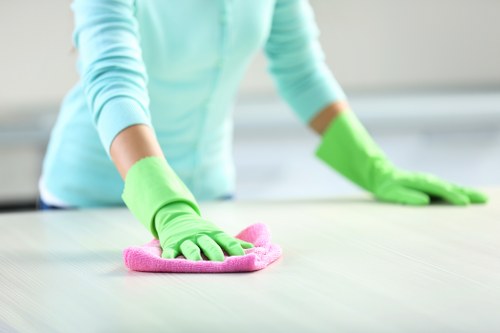
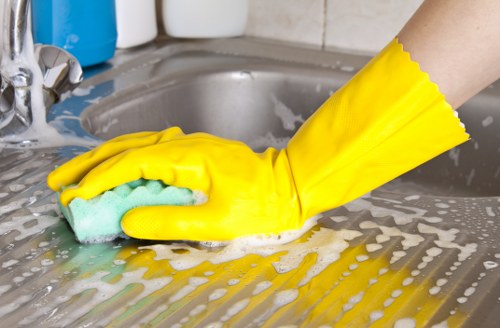
Kitchens and bathrooms usually need the most careful part of any deep clean, because these rooms combine heat, moisture and frequent contact. In kitchens, the work may involve removing grease from visible surfaces, cleaning around handles and switches, wiping cupboard exteriors and giving attention to the areas beside appliances. Where appropriate, oven exteriors, hobs and splashbacks can form part of the scope too. More focused appliance work can be arranged separately through our oven cleaning service when needed.
Bathrooms often require a different approach. The priority is usually limescale removal, sanitary fixture cleaning and the careful treatment of tiles, glass and fittings. Grout lines, shower screens, taps and seals can all change how clean a room appears, so a detailed process matters. For properties with several bathrooms or en-suites, the aim is to produce a consistent finish rather than leaving each room at a different standard.
In both rooms, the final result depends on using the right sequence: loosen the residue, treat the affected area, then finish with a clean wipe and inspection. That approach helps avoid spreading dirt around and keeps the surface finish more even. Careful sequencing matters because these rooms often contain mixed materials, from chrome to glass to painted surfaces, each of which needs a slightly different treatment.
Floor, carpet and upholstery care
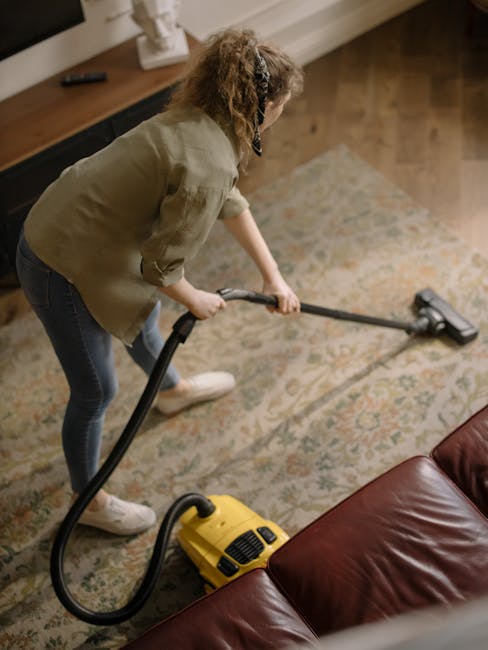
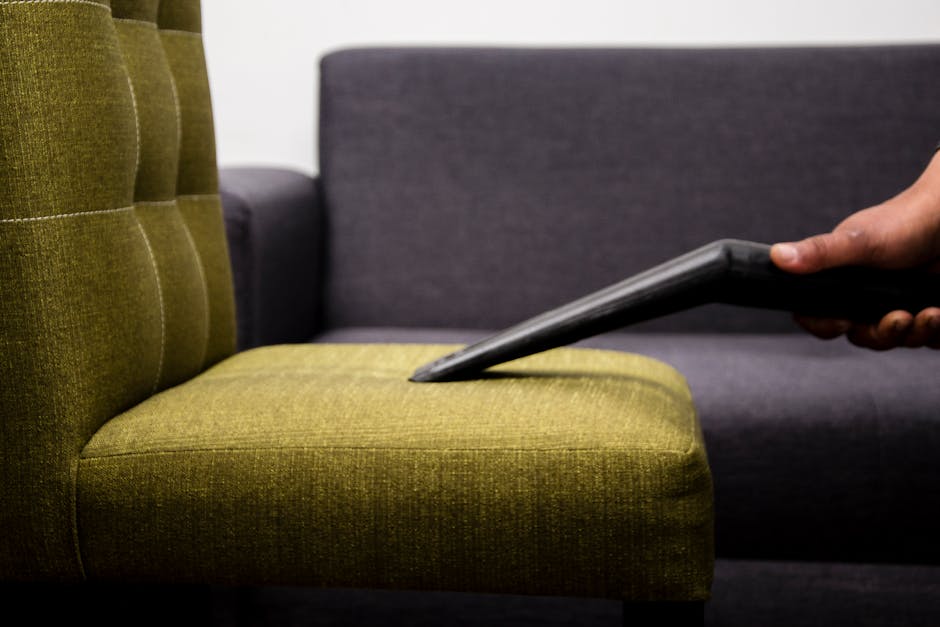
Deep cleaning is not only about worktops and fixtures. Floors, soft furnishings and other high-use surfaces can hold on to dust and marks long after the visible clutter has gone. A deeper service may therefore include hard-floor attention, carpet cleaning, rug care, sofa cleaning or other upholstery cleaning where these items are part of the property and the condition calls for it. The key is to match the method to the material.
Hard floors benefit from a process that removes loose debris first, then addresses residue, traffic marks and dull patches without leaving the finish sticky or streaky. Carpeted areas need a different approach, especially where fibres have trapped fine dust or everyday spill marks. Soft furniture can require careful spot treatment and an even hand so that the fabric is refreshed without unnecessary disturbance. If you need a dedicated visit for floors, see our hard floor cleaning page.
Not every property will need all of these elements, and that is entirely normal. The value of a tailored deep clean is that it can focus on the most visible or most used surfaces while leaving out anything that does not need attention. That keeps the job sensible, efficient and easier to quote for, while still improving how the rooms look and feel when finished.
Rooms, fixtures and less obvious details
Some of the most noticeable improvements during a deep clean come from the smaller details rather than the large surfaces. Door handles, switches, banisters, sockets, frames, trims and other touchpoints can carry a surprising amount of grime. Wiping these areas carefully gives the property a more complete appearance, especially where people have been living, working or moving through the rooms heavily.
Window interiors, accessible frames and ledges can also form part of the service when they are within reach and included in the agreed scope. For many customers, the difference is not just visual. Clean frames and clearer glass can make rooms feel lighter and better cared for, which matters when the property is being prepared for guests, occupants, or a change in use. For a related standalone service, you can also look at window cleaning.
Smaller details often reveal whether a clean has been rushed or handled properly. Dust on the tops of frames, residue around taps and fingerprints on switches are easy to miss if the process is too broad. A deeper visit gives time to address those points in a careful order, which helps the whole property feel more coherent. This is one reason many customers prefer a thorough clean before a new tenant, after builders or before a special event.
When deep cleaning is especially useful
There are several common situations where a deep clean makes practical sense. It may be needed after a busy season in a home, before handing over a rented property, after renovation work, before moving in, or when an office needs a more detailed reset. The point is not simply to make the space look acceptable for a moment, but to restore a cleaner baseline that can then be easier to maintain. For post-refurbishment work, our after builders cleaning page explains a related option.
Commercial spaces often benefit from this type of attention when regular cleaning has kept things serviceable but not fully detailed. Meeting rooms, shared kitchens, reception areas and washrooms can all accumulate marks in places that matter to staff and visitors. In homes, the same principle applies to busy kitchens, family bathrooms and shared living areas. A deep clean is often the most sensible choice when a property has not had a detailed visit for some time.
It is also useful where different materials have started to age unevenly. For example, a room may look tidy at first glance but still contain grease around the cooker, limescale on taps and dust on fittings. Bringing those areas back under control can change the overall impression of the room more than a quick tidy ever will. If you are weighing up service levels, our domestic cleaning page covers a broader ongoing option.
How we plan a quotation and scope the work
A useful quotation starts with a clear view of the rooms, access and tasks to be completed. For deep cleaning, that usually means identifying the number of spaces, the surfaces involved and whether any extra items such as ovens, upholstery or hard floors need particular attention. A good estimate should reflect the work involved rather than treating every property as the same. If you are ready to send the details, please contact us for a quotation.
It helps to know whether you want a full-property clean or only selected rooms. For example, some customers need the entire interior addressed, while others want a bathroom and kitchen focus with lighter attention elsewhere. Photos can be useful for showing the general condition, but they are not the only factor. Access, parking, the amount of build-up and any fragile surfaces can also affect the time and method needed.
Useful details to include with an enquiry are simple and practical: the property type, the spaces to be cleaned, any especially dirty areas, the presence of carpet or upholstery and whether the clean needs to fit around a move, appointment or handover. If you would like to compare a different type of one-off visit, our cleaning company page leads to a broader overview of what we offer.
About Chiswick

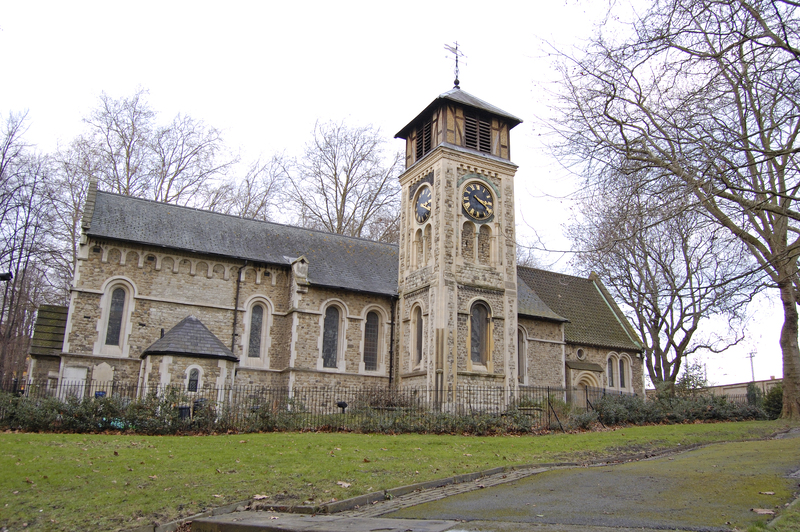
Chiswick is a district in west London with a long riverside history and a strong sense of place shaped by the Thames, old village patterns and later suburban development. The area sits within the London Borough of Hounslow and has links to both the river and the main route west from central London. Chiswick Mall and the stretches close to the river preserve a number of elegant historic houses, while the wider district includes tree-lined streets, terraces and villas that reflect its gradual growth from riverside settlement to established London neighbourhood. The name itself is often associated with an older, more distinctive character than many nearby districts, and that identity remains visible in the built environment. One of the best-known landmarks is Chiswick House, an important Palladian villa and garden designed in the 18th century and now recognised for its architectural and landscape value. The grounds add a formal historic layer to an area that also contains busy roads, local high streets and everyday residential streets. The Thames Path passes nearby, and the river frontage contributes to the district’s reputation for attractive walks and waterside views. Chiswick High Road acts as a commercial spine, lined with shops, cafés, pubs and other local services, while side streets often retain a quieter residential feel. Parks and open spaces, including places such as Chiswick House and Gardens, provide greenery within an otherwise urban setting. Together these features create a place that feels layered rather than uniform, with heritage, movement and neighbourhood life all existing close together.
End-of-tenancy, moving and property handovers
Deep cleaning is often chosen at the point when one household leaves and another moves in, or when an office or rental space needs to be handed over in a presentable condition. In those situations, the work has a very clear purpose: to deal with the traces of daily use so the next stage starts from a cleaner base. End-of-tenancy work may overlap with kitchen, bathroom and floor care, but it is usually judged by how thoroughly the visible and reachable areas have been dealt with. See our end-of-tenancy cleaning page for a closely related service.
For move-in cleaning, the focus is often on confidence as much as appearance. A property can look reasonably tidy yet still need attention on shelving, fixtures, appliance surfaces and sanitary areas before people settle in. A detailed clean gives the place a more settled feel, which can be reassuring when the keys have just changed hands. In commercial settings, a similar process helps offices, studios and shared spaces feel ready for use rather than simply emptied or wiped through.
Where a handover deadline is involved, the scope should be agreed carefully so the most important areas are handled first. That may mean prioritising kitchens and bathrooms, then giving the remainder of the property a consistent finish. The service is most effective when expectations are realistic and the quotation matches the actual condition of the space, not an idealised version of it.
Choosing the right level of clean

Not every customer needs the same depth of work, so the right choice depends on condition, timing and the end result you want. A lighter one-off clean may be enough after a short period of neglect, while a more involved deep clean makes sense where build-up is obvious or several rooms need attention at once. The main question is whether the job should restore freshness, prepare a property for someone else or address surfaces that have been left too long.
It can also help to separate must-do tasks from optional extras. For example, a kitchen and bathroom focus might be enough for one property, while another may need floors, upholstery or windows included as well. That distinction keeps the quote fair and avoids paying for work that is not required. If you want to arrange the clean or discuss the scope, get in touch here when you are ready.
For customers who prefer a broader ongoing arrangement, there are related services such as house cleaning and office cleaning, each suited to different routines. Deep cleaning remains the better option when the aim is a more detailed reset rather than regular maintenance. Used at the right time, it gives a property a noticeably cleaner starting point and makes later upkeep simpler.