Upholstery cleaning near Turnham Green station Chiswick: a practical local guide to cleaner, fresher furniture
If you are looking for Upholstery cleaning near Turnham Green station Chiswick, you are probably dealing with the sort of everyday mess that creeps up quietly: tea marks on an armchair, a tired sofa that holds onto odours, or fabric that looks flat no matter how often you vacuum. It happens. And in a busy part of West London, with footfall, pets, family life, and the usual London dust, upholstery can lose its fresh feel faster than you expect.
This guide explains what professional upholstery cleaning involves, how it works, what to expect, and how to choose the right approach for different fabrics and stains. It also covers practical mistakes to avoid, useful best practices, and a simple checklist you can use before booking. If you want a clearer idea of what good service looks like, you can also explore upholstery cleaning alongside related home services such as sofa cleaning and deep cleaning.
Let's face it: furniture is expensive, and replacing it just because it looks tired is rarely the best first move. Often, the right cleaning method can make a huge difference.
Table of Contents
- Why upholstery cleaning near Turnham Green station Chiswick matters
- How upholstery cleaning near Turnham Green station Chiswick works
- Key benefits and practical advantages
- Who this is for and when it makes sense
- Step-by-step guidance
- Expert tips for better results
- Common mistakes to avoid
- Tools, resources and recommendations
- Law, compliance, standards, or best practice
- Options, methods, or comparison table
- Case study or real-world example
- Practical checklist
- Conclusion
- Frequently asked questions
Why Upholstery cleaning near Turnham Green station Chiswick Matters
Upholstery does more than look decorative. Sofas, armchairs, dining chairs, and fabric headboards are high-touch surfaces. They collect skin oils, food particles, dust, pet hair, drink spills, and the general "lived-in" residue that builds up in any household or office. Near Turnham Green station, where homes and businesses sit in a lively, well-used pocket of Chiswick, that wear and tear can become visible quickly.
Why does that matter? Because dirty upholstery is not just a cosmetic issue. Dust and embedded debris can make fabrics feel rough, cause lingering smells, and create an environment that feels less fresh overall. If you work from home, have children, host guests often, or keep pets on furniture, you notice it even more. The room can look tidy, yet the sofa gives the game away.
Professional cleaning matters because upholstery is made of different fibres, dyes, backings, and fillings. A one-size-fits-all approach is risky. Too much water can leave marks. The wrong chemical can dull colour. Aggressive scrubbing can distort pile or fabric weave. That is why a careful, fabric-aware method is worth it. Truth be told, upholstery is one of those jobs that looks simple until you try it properly.
For many people, upholstery cleaning also fits into a wider home maintenance routine. If your sofa needs attention, your rugs or carpets may be due for a refresh too. In that case, related services like rug cleaning and carpet cleaning can help create a more consistent result across the room.
How Upholstery cleaning near Turnham Green station Chiswick Works
A proper upholstery clean starts with identification, not cleaning solution. A good cleaner will first look at the fabric type, the level of soiling, visible stains, and any risk factors such as fading, shrinkage, or loose stitching. This step matters more than people think. A velvet chair and a synthetic sofa may both look "fabric-like," but they behave very differently under moisture and heat.
Most professional jobs follow a pattern:
- Inspection - the cleaner checks the furniture, fibre type, stain locations, and condition.
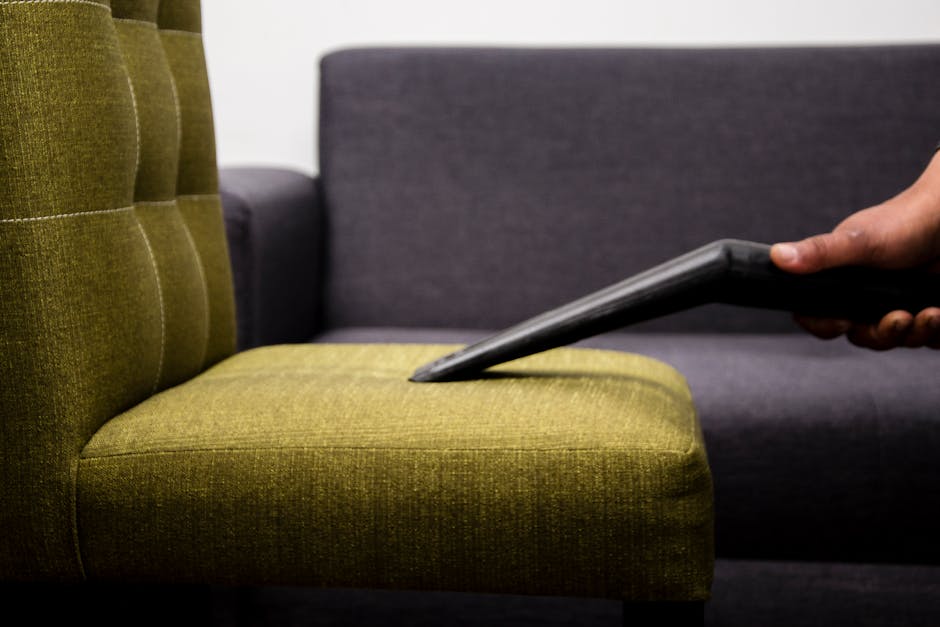
- Dry soil removal - loose dust and debris are removed with thorough vacuuming and, where appropriate, brushing.
- Spot treatment - stains are pre-treated based on the stain type, not guessed at randomly.
- Main clean - either low-moisture, hot water extraction, dry cleaning, or foam-based cleaning is used, depending on the material.
- Rinse or neutralise - residues are lifted so the fabric does not stay sticky or attract dirt later.
- Drying guidance - the cleaner explains ventilation, drying time, and what to avoid afterwards.
In a typical Chiswick home, you might see a fabric three-seater sofa cleaned before lunch and used again later that evening, provided the method and drying conditions are sensible. But it depends. Some items dry in a few hours; others need longer. On a damp winter afternoon, drying can take longer than you expect. London weather, as ever, likes to keep things interesting.
Hot water extraction is common for many durable fabrics, but not all upholstery can handle it. Delicate materials often need more controlled methods. That is why a competent technician won't rush in with a machine and hope for the best.
Key Benefits and Practical Advantages
There are several reasons people book upholstery cleaning, and not all of them are about appearance. In practice, the benefits tend to stack up.
- Fresher-looking furniture - colours often look brighter once surface grime is removed.
- Better odour control - food smells, pet odours, and stale everyday smells can be reduced.
- Improved comfort - clean fabric feels softer and more pleasant to use.
- Longer furniture life - removing abrasive dirt can help protect fibres over time.
- Better presentation - especially useful if you host guests, manage a rental, or run a client-facing space.
- More hygienic surfaces - while upholstery cleaning is not a medical treatment, it does reduce accumulated grime and debris.
There is also a practical financial point. Replacing a good sofa or set of dining chairs is expensive. Cleaning is usually the sensible first step. If the frame and fabric are still structurally sound, a professional clean can buy you more useful life from the furniture you already own.
For landlords, tenants, and homeowners alike, a clean sofa can change the feel of an entire room. It sounds minor, but you will notice it the moment you sit down. The room feels calmer, less dusty, more looked-after. Small thing, big difference.
Who This Is For and When It Makes Sense
Upholstery cleaning near Turnham Green station Chiswick makes sense for a wide range of people, but the trigger is usually one of a few common scenarios.
Homeowners and tenants
If your sofa has visible marks, pet hair, or a dull finish, a clean can restore it before the problem gets worse. This is especially helpful before guests arrive, before the colder months when you spend more time indoors, or before listing a property for sale.
Renters at the end of a tenancy
End of tenancy move-outs often uncover furniture issues that were easy to ignore before. If the property includes upholstered items, a clean can support a better handover and a more presentable finish. Related services such as end of tenancy cleaning can be useful in the same planning window.
Families with children
Spills happen. Crumbs happen. Sticky hands happen, quite often. If you have young children, upholstery can collect everything from biscuit dust to juice marks. Cleaning helps keep the room feeling fresher without having to replace furniture too soon.
Pet owners
Pets bring joy, but also hair, dander, and the occasional accident. If you live with dogs or cats, regular upholstery care can make a huge difference to odour control and daily comfort.
Office and professional spaces
Reception seating, waiting-room chairs, and meeting-room furniture all send a message. If you meet clients in person, the condition of upholstery quietly shapes first impressions. In that context, services like office cleaning or office cleaners can complement upholstery care nicely.
Step-by-Step Guidance
If you want to know how to prepare for a professional upholstery clean, or simply understand what a good service should look like, this step-by-step overview will help.
- Identify the item and fabric type
Check labels if you can. A cotton blend, polyester, velvet, wool mix, or leather-look material all need different handling. If you are not sure, do not guess. - Vacuum thoroughly
Loose dirt is removed first. This is not glamorous, but it is essential. Cleaning over grit is a bit like polishing a muddy shoe. - Test for problem areas
Look for old spills, pet zones, sun fading, armrest wear, or cushion compression. These areas often need more careful attention. - Choose the correct method
Hot water extraction, low-moisture cleaning, and dry methods each suit different materials. The best choice depends on the fabric and the risk of over-wetting. - Apply targeted stain treatment
Ink, grease, food, wine, and body oils do not respond the same way. A cautious approach is better than a harsh one. - Allow proper drying time
Ventilation matters. Open windows if possible, use airflow, and avoid sitting on the furniture too soon. This sounds obvious, but people often rush it. - Finish with a post-clean check
Once dry, inspect the item for any remaining marks, moisture, or texture changes. A reputable cleaner should be happy to explain anything you see.
If you are booking a service provider, this sequence helps you ask the right questions. For instance: What method will you use? Have you checked the fabric type? How long should drying take? What happens if a stain does not fully respond? Those are sensible questions, not fussy ones.
Expert Tips for Better Results
Here is the part that often makes the difference between an acceptable result and a really good one.
- Act on spills quickly - dab, don't rub. Rubbing can spread the stain and damage the nap.
- Blot from the outside in - this helps stop a mark from widening.
- Use light suction first - if you are using a home tool, remove as much liquid as possible before applying anything else.
- Keep pet zones on a schedule - high-use areas need more frequent maintenance than guest-room furniture.
- Mind the cushion backs and seams - dirt builds up in the quiet places, not just the centre seat.
- Prioritise ventilation - even a slight airflow helps a lot, especially in cooler months.
- Ask for fabric-specific treatment - one stain remover is not the answer to everything, despite what the bottle might suggest.
A small but useful point: if a sofa has a history of over-wetting, avoid repeated heavy cleaning. Sometimes less water, more control, and a more patient approach give the better result. Strange but true.
Also, if you are combining upholstery work with other household cleaning, it can be efficient to schedule it alongside one-off cleaning or domestic cleaning. That way, the whole room feels reset rather than half-done.
Common Mistakes to Avoid
Upholstery can go wrong fairly easily if you treat it like a carpet or a kitchen worktop. Here are the mistakes that come up most often.
- Using too much water - this can lead to long drying times, water marks, or a damp smell.
- Scrubbing aggressively - friction can damage fibres and spread stains.
- Skipping a fabric test - a tiny test patch can save a lot of trouble.
- Using the wrong product - bleach, strong solvent cleaners, and generic stain removers can discolour fabric.
- Ignoring care labels - those little tags are annoyingly important.
- Drying too quickly with heat - excessive heat may shrink or distort some materials.
- Trying to remove every stain in one go - some stains need multiple careful passes, not a frantic attack.
One more thing: if a cleaner promises a miracle on every fabric, with every stain, in every weather condition, that is probably not a serious claim. Good cleaners are confident, but they are usually cautious in the right places.
Tools, Resources and Recommendations
Whether you are evaluating a service or doing light care at home between professional visits, the right tools matter. You do not need a room full of kit, just a sensible baseline.
Useful tools
- an upholstery attachment for vacuuming
- a soft brush for lifting surface dust
- clean white cloths for blotting
- a gentle, fabric-appropriate spot treatment
- good natural ventilation, when possible
- a fan or air mover for improved drying in cooler months
What to look for in a provider
- clear explanation of the cleaning method
- experience with different fabrics
- careful pre-inspection before work begins
- transparent pricing and quote process
- proper attention to insurance and safety
- respect for your home, your schedule, and your furniture
If you want to understand how a company presents its working standards, it can also help to review pages such as about us, insurance and safety, and health and safety policy. They may not be glamorous reads, I know, but they tell you a lot about how a business operates.
For pricing considerations, see pricing and quotes and, if relevant to how you want to pay, payment and security.
Law, Compliance, Standards, or Best Practice
Upholstery cleaning is not usually a heavily regulated service in the way that some trades are, but best practice still matters. In the UK, reputable cleaners should work with sensible care around chemicals, safe handling, and clear communication. That means using products appropriately, avoiding unnecessary risk to fabrics, and taking precautions around slip hazards, electrical items, and ventilation.
For customers, the most useful standard is often simple: does the provider explain what they will do, what they will not do, and what the realistic outcome is? That level of honesty is a very good sign. You do not want vague promises; you want informed judgement.
If you are hiring a company, look for clear terms and a transparent complaints route. Those pages may seem administrative, but they matter. They show that the business has thought about customer care, not just the job itself. You can review terms and conditions and complaints procedure if you want to understand how service expectations are handled.
There is also a wider responsibility around data and security if you are booking online. If a company asks for contact details, it should be clear about how those are handled. That is one reason a visible privacy policy is reassuring.
Options, Methods, or Comparison Table
Different upholstery fabrics and soil levels call for different methods. Here is a simple comparison to help you think through the options.
| Method | Best for | Pros | Considerations |
|---|---|---|---|
| Hot water extraction | Durable fabric sofas and chairs | Strong soil removal, thorough clean | Needs careful drying; not ideal for all fabrics |
| Low-moisture cleaning | General upholstery with drying concerns | Faster drying, lower risk of over-wetting | May need more targeted stain work |
| Dry cleaning methods | Delicate materials or moisture-sensitive pieces | Reduced water exposure, gentler on some fabrics | Not always suitable for heavy soiling |
| Spot treatment only | Small fresh marks or minor touch-ups | Quick and focused | Won't solve broader dirt or odour build-up |
There is no universal "best" method. The right choice depends on the item itself. A sofa in a busy family living room and a dining chair in a lightly used guest room are not asking for the same thing, even if they both sit in the same house.
Case Study or Real-World Example
Here is a realistic example based on a fairly common booking pattern near Turnham Green station. A couple in a first-floor flat noticed their three-seater sofa had developed a dull patch where they sat most evenings. There was also a faint coffee ring on one arm and some pet hair embedded in the seams. Nothing dramatic, just enough to make the whole room feel tired.
Before the clean, the priority was to check the fabric type and identify whether the sofa could take a moisture-based method. The cleaner vacuumed thoroughly, pre-treated the coffee mark, and used a controlled cleaning approach rather than flooding the fabric. Drying was helped with open windows and a bit of airflow. By the next day, the sofa looked lighter, felt fresher, and no longer held that stale "evening snack" smell. Not exactly a miracle, just a solid result.
The key lesson? The couple had been close to replacing the sofa. They didn't need to. They just needed the right method and a little patience.
Practical Checklist
Use this before booking or before a cleaner arrives.
- Check whether the furniture has a care label or fabric notes.
- Identify the main problem: stain, odour, general dullness, pet hair, or all of the above.
- Remove loose items, throws, cushions, and fragile ornaments nearby.
- Vacuum lightly if you can, especially along seams and under cushions.
- Ask what method will be used and why.
- Confirm drying expectations and how long to avoid using the furniture.
- Ask how stain treatment is handled for older marks.
- Make sure there is enough access and ventilation.
- Keep pets and children away from the area during and after cleaning.
- Inspect the result once dry, not just while it is still damp.
This checklist is simple, but it stops a lot of avoidable issues. Honestly, the small prep jobs are the ones that save the most headaches.
Conclusion
Upholstery cleaning near Turnham Green station Chiswick is about more than making furniture look nice for an afternoon. Done properly, it helps protect fabric, reduce odours, and restore the feel of a room in a way you really notice once you sit down. It is a practical service, yes, but it is also one of those small improvements that changes the mood of a home or workspace in a very real way.
If you are comparing options, focus on fabric knowledge, realistic expectations, safe methods, and clear communication. That combination usually tells you more than a glossy promise ever will. And if you are still weighing it up, that is fair enough. Good cleaning is about judgement, not just equipment.
Get a free quote today and see how much you can save.
Sometimes the best result is simply a cleaner room that feels calmer when you walk in. Quietly better. That's the win.
Frequently Asked Questions
How often should upholstery be professionally cleaned?
It depends on use. A family sofa with pets or children may need attention more often than a lightly used chair. If the fabric looks dull, smells stale, or holds marks that vacuuming will not lift, that is usually a good sign it is time.
Can all upholstery fabrics be steam cleaned?
No. Some fabrics handle moisture well, but others are delicate or prone to shrinkage, colour bleed, or texture change. A proper inspection should come before any cleaning method is chosen.
Will upholstery cleaning remove all stains?
Not always. Fresh stains are usually easier than old ones, and some marks permanently alter fibres or dye. A good cleaner should explain what is realistic before starting, rather than promising the impossible.
How long does upholstery take to dry?
Drying time varies by fabric, method, airflow, and weather. Some items are ready in a few hours, while others need longer. In cooler or damper conditions, drying naturally takes more time.
Is upholstery cleaning safe for pets and children?
It can be, when suitable products and safe procedures are used. The main thing is to keep pets and children away during the process and until the furniture is fully dry and ready to use again.
Should I vacuum before the cleaner arrives?
If you can, yes. A light vacuum helps remove loose debris and lets the cleaner focus on deeper soil and stains. It is not essential, but it does help.
What is the difference between sofa cleaning and upholstery cleaning?
Sofa cleaning is a type of upholstery cleaning. Upholstery cleaning is the broader term and includes sofas, chairs, benches, headboards, and other fabric-covered furniture.
Can upholstery cleaning help with pet odours?
Yes, often it can. Odours trapped in fabric and padding can be reduced significantly with the right method. If the issue is severe or long-standing, the cleaner may explain limitations clearly before beginning.
How do I know which cleaning method is right for my furniture?
Start with the fabric label, the item's condition, and the type of soiling. A knowledgeable cleaner should assess the material first and choose the least risky effective method, rather than using the same process for everything.
Is upholstery cleaning worth it before replacing a sofa?
Very often, yes. If the frame is sound and the fabric is not badly damaged, cleaning can restore the look and feel of the piece for a lot less than replacement. It is usually the sensible first step.
Can I combine upholstery cleaning with other services?
Yes. Many people combine it with one-off cleaning, domestic cleaning, or other home services when they want a fuller reset. It can save time and make the whole property feel more refreshed.
What should I ask before booking upholstery cleaning near Turnham Green station Chiswick?
Ask about the fabric assessment, the cleaning method, drying time, stain treatment, pricing, insurance, and what happens if a mark does not fully lift. Straight questions, straight answers - that is usually the best sign of a professional service.