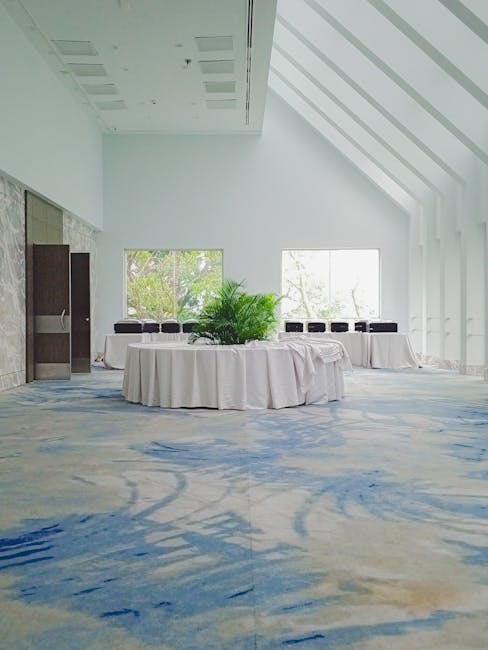
Event and post event cleaning Chiswick House venue services
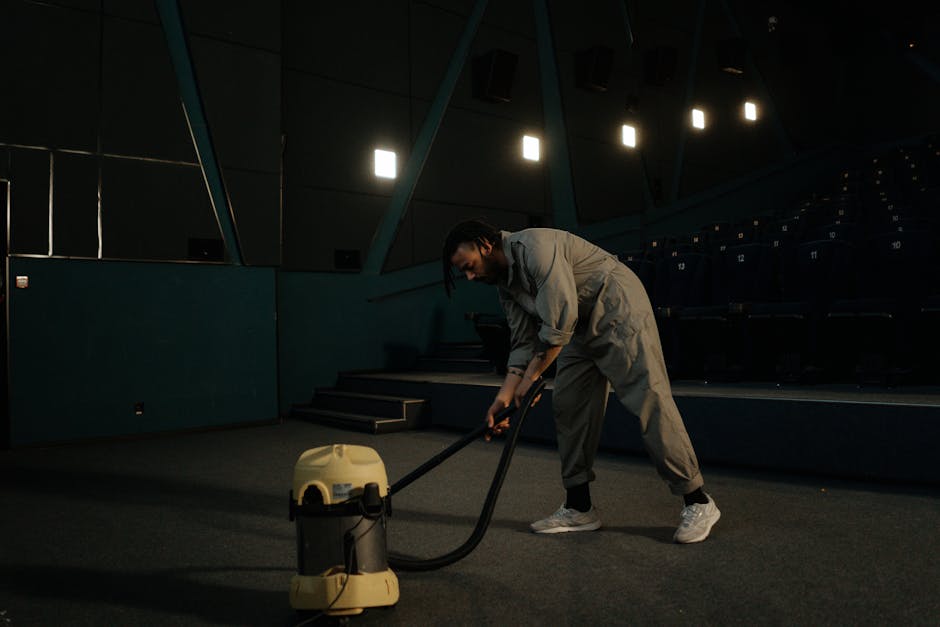
Planning an event at Chiswick House is one thing; dealing with the aftermath is another. Glassware, crumbs, muddy footprints, sticky spills, tangled cable runs, bin overflows, and the odd rogue confetti burst can turn a beautiful venue into a long clean-up very quickly. That is exactly where Event and post event cleaning Chiswick House venue services come in. The job is not just to make the space look presentable again. It is to restore it properly, safely, and on time, so the venue can move back into use without fuss.
Whether you are organising a wedding, gala dinner, corporate reception, private celebration, or brand activation, post-event cleaning has to be handled with care. In a heritage setting, the details matter. Floors, fixtures, access routes, and delicate finishes all need attention. This guide breaks down how the service works, what should be included, where problems usually happen, and how to choose a cleaning plan that genuinely fits the venue.
You will also find practical tips, a checklist, and a straightforward comparison of service options. Nothing fluffy. Just the useful stuff.
Why Event and post event cleaning Chiswick House venue services Matters
At a venue like Chiswick House, cleaning is part of the event experience even if guests never notice it directly. A clean arrival sets the tone. A swift turnaround protects the next booking. And a properly executed post-event clean helps preserve the venue itself, which is a big deal in a building and grounds setting where presentation is everything.
Let's face it: most events create mess in layers. There is the obvious stuff first. Then the less obvious stuff appears once chairs are stacked, decor comes down, and the room is quiet again. That second layer is where problems hide. Bits of food under tables, drink residue near skirting, heel marks on hard floors, fingerprints on glass, and damp patches near entrance points can all become a nuisance if they are left too long.
For heritage or prestige venues, the stakes are even higher. A rushed clean can leave visible streaks, scratched surfaces, or water where it should never be. That is why venue-specific cleaning is not the same as a generic tidy-up. It needs a plan, a sequence, and people who understand how to work around premium interiors without making a drama of it. Quietly efficient is the goal.
There is also a reputational angle. If guests are still seeing spill marks at the end of the evening, or if the venue is not ready for staff turnover the next morning, it reflects badly on everyone involved. Good cleaning protects not just the space, but the event host's name too.
How Event and post event cleaning Chiswick House venue services Works
The best post-event cleaning is usually built around the event schedule, the layout of the venue, and the level of finish expected afterwards. In practice, that means the cleaner should know the rooms, understand access points, and be clear on whether the service is a light reset, a full deep clean, or a phased clean across multiple spaces.
Typically, the process begins with a walk-through or briefing. This is where the cleaning team identifies the key areas: reception rooms, dining spaces, toilets, service corridors, staff areas, entry points, outdoor transitions, and any spill-risk zones. If there has been catering, floral installation, or equipment hire, those elements are factored in too. It sounds simple, but a bad handover can waste a lot of time later.
A decent venue clean normally follows a sequence:
- Clear and collect - remove rubbish, left-behind items, empty packaging, and disposable event materials.
- Surface reset - wipe tables, counters, ledges, rails, and touch points.
- Floor care - vacuum, sweep, or mop depending on the surface.
- Spot treatment - tackle spills, stains, and scuffs before they set.
- Washroom refresh - clean sinks, toilets, mirrors, dispensers, and floors.
- Final detail check - make sure the room is presentable, safe, and ready for the next use.
For larger or more formal functions, the service may also include carpet attention, upholstery spot-cleaning, window and glass detailing, and hard floor maintenance. If furniture has been moved or stacked, the area underneath often needs proper cleaning too. It is amazing what appears once the chairs are gone.
Some event cleans are immediate, starting as soon as guests leave. Others are split into a late-night reset and an early-morning finishing pass. The right approach depends on access, staffing, and how quickly the venue needs to be handed back. A good team will adapt rather than force one method onto every job.
Key Benefits and Practical Advantages
There are plenty of reasons to invest in specialist event cleaning, and most of them are practical rather than glamorous. First, it saves time. That alone is a huge advantage when the event team is already exhausted and the venue needs to be back to standard quickly.
Second, it reduces risk. Food residue on floors, drink spillages, and loose debris are all slips-and-trip hazards. A clean, dry finish is safer for staff, contractors, and anyone entering the space after the event. In a venue where movement is constant and lighting may be dim at certain points, that matters more than people sometimes realise.
Third, it protects the venue's image. Guests remember a room that feels cared for. Venues remember clients who leave things in order. The link between the two is stronger than most people think.
Other benefits include:
- Better preservation of surfaces through prompt stain removal and correct cleaning methods.
- Less stress for organisers because cleaning is one less thing to juggle at the end of a long day.
- More consistent results than ad hoc in-house clearing, especially after busy or high-footfall events.
- Improved readiness for the next booking when turnaround times are tight.
- Cleaner back-of-house areas where staff still need to operate even after the main event has ended.
There is a subtle but important advantage too: a specialist cleaning team sees the venue with fresh eyes. They tend to spot practical issues others miss, like a marked skirting board, a hidden spill behind a service station, or a half-full bin tucked in a corner. That kind of attention is worth having.
Who This Is For and When It Makes Sense
This service makes sense for anyone responsible for getting a venue back to baseline after an event. That includes event planners, venue managers, caterers, wedding coordinators, private hosts, PA teams, production crews, and facilities staff.
You are likely to need it if:
- the event involves food, drink, or table service;
- the venue will be used again very soon after the event;
- there are carpets, upholstery, polished floors, or glass-heavy spaces to care for;
- setup and breakdown happen across several rooms;
- the host wants a more polished finish than a basic tidy-up;
- staff on site are already stretched thin, which is almost always the case, to be fair.
It is also sensible for one-off celebrations where lots of decor has been installed. Balloon arches, flower petals, tapes, candles, and table dressing can look lovely during the event and a little chaotic afterwards. Cleaning them up properly is not complicated, but it does take time and a measured approach.
For smaller gatherings, a lighter one-off cleaning service may be enough. For busier functions with multiple rooms or more demanding materials, more detailed support is often needed. If the event has involved carpets, soft seating, or lounge areas, you may also want to consider carpet cleaning or upholstery cleaning where appropriate.
Step-by-Step Guidance
If you want the clean to run smoothly, planning matters. A lot. Here is a practical sequence that works well in real venues.
- Confirm the event finish time. Build the clean around actual departure, not the hoped-for departure. Events run late. They just do.
- Map the cleanable zones. Identify guest areas, staff routes, toilets, catering points, and any restricted spaces.
- List the surface types. Carpet, stone, wood, vinyl, glass, brass, upholstery, and painted finishes all need different treatment.
- Agree waste handling. Decide who removes bins, mixed recycling, event packaging, and leftover consumables.
- Set the priority order. Washrooms and spill hazards usually come first. Decorative polishing can wait until the basics are done.
- Check access and parking. Cleaning teams should know where to enter, where to stage equipment, and whether there are noise or time restrictions.
- Carry out a final inspection. Don't skip this. A 10-minute check at the end can save an embarrassing morning call.
In our experience, the easiest clean is the one planned before the first guest arrives. That means thinking about bin placement, catering waste, floor protection, and what happens to temporary decor once the event ends. A little preparation now saves a lot of scrambling later.
If the venue has a longer operating day, a hybrid approach can help. For example, a daytime event may only need periodic touch-point cleaning while the function is live, followed by a fuller evening reset. For staffed spaces with mixed use, support from professional cleaners can keep standards steady without overloading the venue team.
Expert Tips for Better Results
Small choices make a big difference. One of the most useful things you can do is separate surface cleaning from decorative reset. Don't try to do everything at once. Tackle the safety issues, then the visible presentation, then the detail work. That order keeps the process calm and efficient.
Another useful tip: protect the most vulnerable surfaces before the event begins. Temporary floor runners, matting at entrances, and simple barriers around sensitive areas can reduce the final clean considerably. It is far easier to stop a mark than to remove one.
Here are a few other lessons that come up again and again:
- Use the right cloths and pads for polished or delicate finishes. Harsh scrubbing is a bad idea, obviously.
- Deal with spills early before they dry into sticky residue or staining.
- Work top to bottom so dust and debris do not end up on freshly cleaned surfaces.
- Keep a spare supply kit for unexpected issues: gloves, bin bags, microfibre cloths, neutral cleaner, and absorbent materials.
- Communicate clearly with the venue team about alarms, locks, waste points, and restricted access.
If your event includes soft furnishings, it is wise to think ahead about maintenance. A same-week follow-up with sofa cleaning can help remove drink spots or food marks before they settle in. For hard surfaces, hard floor cleaning is often the difference between a room that looks acceptable and one that looks properly restored.
And one small real-world note: always leave a little buffer time. Even very good teams hit the odd surprise. A broken glass under a table skirt, a muddy entrance mat, a lipstick mark on a glass panel. It happens. Better to plan for it than to pretend events are ever perfectly tidy. They are not.
Common Mistakes to Avoid
The most common mistake is underestimating the clean itself. People often budget time for setup and strike, then assume cleaning will just happen somehow. It won't. It needs ownership.
Another frequent issue is using the wrong method for the surface. Strong chemicals on a delicate finish, too much water on vulnerable flooring, or rough pads on polished areas can create damage that lasts much longer than the event itself. That is the sort of thing nobody wants to explain afterwards.
Other mistakes include:
- Leaving waste separation until the end, which slows everything down.
- Not briefing the cleaning team on the venue layout or event type.
- Forgetting back-of-house areas because they are out of sight.
- Ignoring entrance mats and thresholds where the worst dirt often builds up.
- Assuming one clean is enough when the job actually needs two passes.
One thing to avoid completely: treating post-event cleaning as a generic domestic clean. It is not the same job. The pace is different, the risk profile is different, and the standard of presentation is usually higher. You need a method that suits the venue, not a one-size-fits-all routine.
Tools, Resources and Recommendations
The best results usually come from having the right kit available before the cleaning starts. Nothing fancy. Just sensible tools used well.
- microfibre cloths for surfaces and glass
- neutral cleaning solutions for everyday wipe-downs
- colour-coded cloths or pads to separate areas and reduce cross-contamination
- vacuum cleaners with the right attachments for edges, upholstery, and stairs
- mops and buckets suited to hard floors
- bin bags and waste sacks in sufficient quantity
- spot-treatment products for food and drink marks
- protective gloves and basic PPE for staff safety
Where a venue has carpets or rugs in event spaces, specialist support can be helpful, especially after repeated footfall or drink spillages. It may also be worth using rug cleaning for smaller textile pieces that collect dust and marks fast.
For hosts planning repeat events, a pre-agreed cleaning pack is a smart idea. Include floor plans, access instructions, waste points, key contacts, and any sensitive surfaces that need special handling. It sounds a bit formal, but honestly, it saves time.
If you are comparing broader cleaning support for the venue or related work, the team at a specialist cleaning company can often coordinate different cleaning needs rather than handling event cleanup in isolation. That can be useful where you need consistency across bookings, not just a single one-off visit.
Law, Compliance, Standards, or Best Practice
For event cleaning in a venue setting, compliance is usually less about one dramatic rule and more about careful, ordinary best practice done properly. In the UK, that generally means working safely, keeping walkways clear, using suitable products, and following the venue's own health and safety procedures. Simple, but important.
Cleaning teams should be briefed on hazard awareness, slip risks, access routes, and any areas that are off-limits. If chemicals are being used, they should be handled according to label instructions and stored securely. If electrical equipment is needed, cords should not become trip hazards. These things sound obvious until the room is busy and people are tired.
For venues with heritage features or sensitive interiors, extra care is wise. That means avoiding unnecessary moisture, testing products on discreet areas where appropriate, and not using aggressive methods on painted or aged surfaces without proper clearance. A careful approach protects both the venue and the operator.
It is also sensible to check insurance and service terms before booking. If a cleaning provider is working in a high-value space, there should be clarity around responsibility, access, damage reporting, and what happens if the job needs a return visit. You do not want vague answers later. Better to ask now.
For service confidence, a team's health and safety policy and insurance and safety information are worth reviewing, along with their terms and conditions. If cost planning is part of your decision, pricing and quotes should be clear enough to compare apples with apples, not just look cheap at first glance.
Options, Methods, or Comparison Table
Different events need different levels of cleaning. A small private dinner, for example, does not need the same response as a large reception with catering, live entertainment, and heavy foot traffic. The table below gives a practical overview.
| Cleaning approach | Best for | Typical strengths | Things to watch |
|---|---|---|---|
| Light reset clean | Small gatherings, low-spill events, tidy venues | Fast, simple, cost-conscious | May miss deeper residue or hidden waste |
| Standard post-event clean | Most weddings, private parties, receptions | Covers floors, surfaces, toilets, and waste | Needs a clear handover and enough time |
| Deep venue clean | Busy functions, food service, multiple rooms | Better for stubborn marks, soft furnishings, hard floors | Longer turnaround and more detailed planning |
| Split-shift clean | Late events or tight handback schedules | Reduces pressure and helps with morning readiness | Requires coordination and access control |
In many cases, a split-shift clean works best for larger venues. The first pass removes waste and clears the main hazards. The second pass finishes the detailing when the room is empty and quiet. That second pass is where the polished finish comes from.
If carpets are the main issue, a focused carpet cleaner approach can be more efficient than a broad surface clean alone. And if the event included serving areas or a temporary prep station, a targeted oven cleaning or kitchen-related clean may be relevant where catering equipment was used. Not every event needs that, of course. But when it does, it needs doing properly.
Case Study or Real-World Example
Picture a private evening reception in a formal venue room. Guests arrive in good spirits, there is canape service, a bar station, floral decor, and a lot of movement between spaces. By the end of the night, the room looks fine at a distance, but closer up there are glass marks on side tables, crumbs near chair legs, a sticky patch by the service area, and footprints just inside the entrance.
The clean starts with waste removal and clearing the obvious clutter. Then the team works through the room in zones. Tables are wiped, skirting is checked, glass panels are polished, and the floor is vacuumed and mopped in sections. Toilets get a separate refresh. A second sweep catches the little things: a ribbon tucked behind a chair, a hidden napkin, a muddy scuff near the threshold.
By the time the venue team returns in the morning, the room feels calm again. Not just "tidy." Restored. That is the difference. You can almost smell the fresh air and neutral cleaner instead of the sweet, mixed smell of food, perfume, and party noise from the night before.
There was one small snag in this example: a floral water spill had travelled further than anyone noticed during breakdown. Easy enough to miss. But if it had been left until later, it could have marked the floor. This is why a careful post-event clean pays off. The best outcomes are often the ones nobody has to talk about the next day.
Practical Checklist
Use this before, during, or after the event to keep the cleaning plan under control.
- confirm event finish time and cleaning access
- identify all guest, staff, and back-of-house areas
- list surface types and any delicate finishes
- agree waste disposal and recycling arrangements
- set priorities for toilets, food areas, and spill hazards
- make sure the right equipment is available
- protect floors and sensitive surfaces before the event where possible
- brief the cleaning team on locks, alarms, and restricted zones
- include a final inspection before sign-off
- keep contact details for the venue lead and event organiser close by
If the event has been particularly busy, consider whether deeper maintenance is needed after the basic reset. That might include window cleaning for visible glass areas or a more detailed deep cleaning service for spaces that have taken a real beating. Sometimes the room needs a bit more than a wipe-over. No shame in that.
Conclusion
Event and post event cleaning Chiswick House venue services are about far more than making a room look neat at the end of the night. They protect the venue, support the next booking, reduce safety risks, and preserve the atmosphere that made the event special in the first place. When the clean is planned well, it feels almost invisible. Guests leave. Staff breathe out. The space resets.
For organisers, the real value is peace of mind. You know who is handling the breakdown, what is included, and how the venue will be handed back. That certainty matters, especially when the event has been detailed, high-pressure, or running late. A tidy finish is good. A properly restored finish is better.
Get a free quote today and see how much you can save.
And if you are still deciding how much support you need, start with the venue, the event type, and the turnaround window. The right answer usually becomes clearer from there. One careful plan beats ten last-minute fixes, every time.
Frequently Asked Questions
What do event and post event cleaning services usually include?
They usually include waste removal, surface wiping, floor cleaning, washroom refreshes, spill treatment, and a final presentation check. Larger events may also need carpet, glass, or upholstery attention.
How soon after an event should cleaning start?
As soon as practical. In many venues, the clean begins immediately after guests leave so that waste, spills, and safety issues do not sit overnight. For some events, a split clean works better.
Is this different from regular office or domestic cleaning?
Yes. Event cleaning is faster, more time-sensitive, and usually more focused on reset and recovery after heavy footfall. It often involves more waste, more surface types, and more visible presentation demands.
Can post event cleaning be done in stages?
Absolutely. A lot of venues benefit from a first-pass clear-out followed by a detailed finish once the space is quieter. That approach is especially useful when access windows are tight.
What areas are most commonly missed after an event?
Under-table areas, skirting boards, entrance thresholds, washroom touch points, service corners, and spaces behind temporary decor are often overlooked. Those little zones can make a big difference.
Do I need a deep clean after every event?
Not always. A small, tidy gathering may only need a reset clean. But events with food service, heavy foot traffic, or multiple rooms usually benefit from a deeper clean, especially if carpets or soft furnishings are involved.
How do I know if the venue needs specialist floor care?
If there are visible scuffs, sticky residue, dull patches, or frequent shoe marks near entrances and dance areas, specialist floor care may be worth it. Hard floors and carpets show wear differently, so the method should match the surface.
What should I tell the cleaning team before the event?
Share the event finish time, access instructions, key contact details, priority areas, waste handling needs, and any delicate surfaces or restricted spaces. A clear handover prevents confusion later.
Is it worth booking cleaning for a small private event?
Often yes, especially if the host wants a quick turnaround or if food and drinks are involved. Even small events can leave behind far more mess than expected. That part never really changes.
How do I choose a reliable cleaning provider for a venue setting?
Look for clear communication, relevant experience, sensible planning, and transparent service terms. It also helps to review health and safety information, insurance details, and pricing before you commit.
Can the service include windows, upholstery, or carpets?
Yes, where needed. If the event has marked soft furnishings or visible glass areas, related services such as upholstery cleaning, carpet cleaning, or window cleaning can be added into the plan.
What is the biggest mistake event organisers make with post event cleaning?
The biggest mistake is leaving it too late to plan. When cleaning is treated as an afterthought, the result is usually slower, more stressful, and less thorough. A little planning keeps the whole thing calmer, and that's worth a lot.